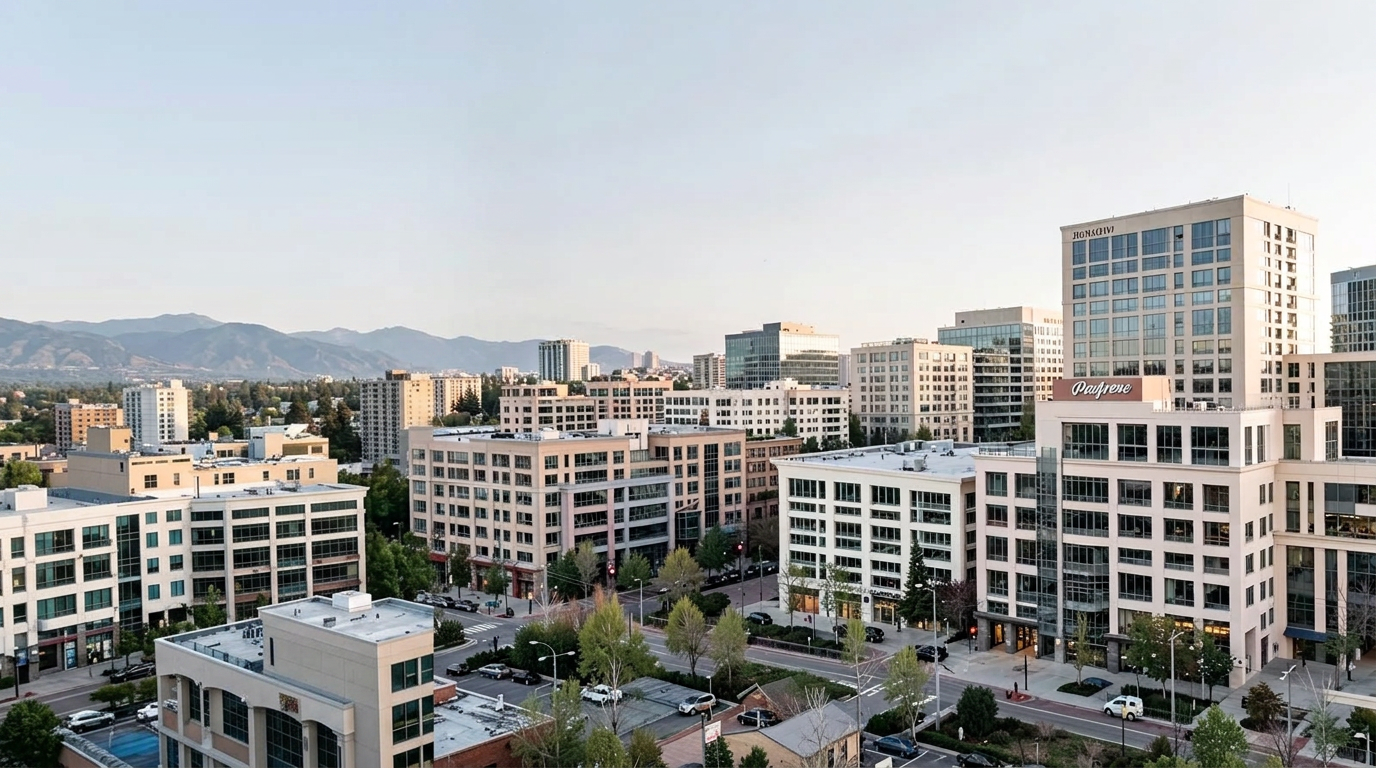
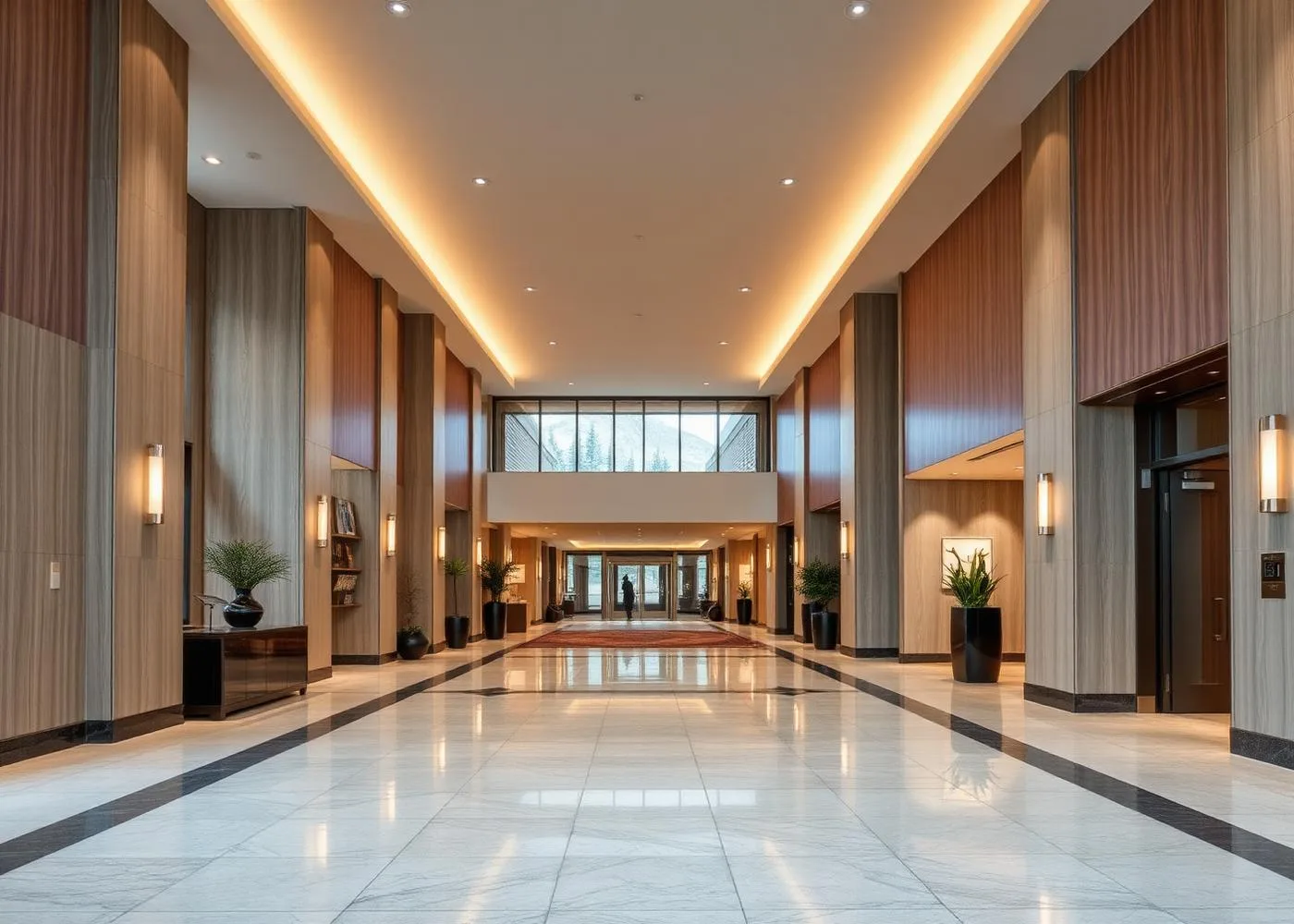
A varied district of commercial, multifamily and hospitality buildings

Industries

Different Buildings. Different Efficiency Opportunities.

Operating intensity, occupancy patterns and capital cycles decide where efficiency work pays. RMEG starts from how a facility is actually used, then works toward the improvements that fit it.

Hospitality facility and operating environment01

Energy Efficiency / Water Efficiency / Building Performance

Hospitality

Guest comfort, HVAC, water, controls and high operating intensity.

Typical operating challenges

Hotels run 24 hours a day with unpredictable occupancy. Guest rooms are conditioned whether or not anyone is in them, laundry and domestic hot water run continuously, and guest comfort limits how aggressively operations can be changed.

Where efficiency work usually pays

Occupancy-aware guest room controls, HVAC optimization, laundry and water systems, and lighting in back-of-house and common areas. Savings show up in the operating statement without touching the guest experience.
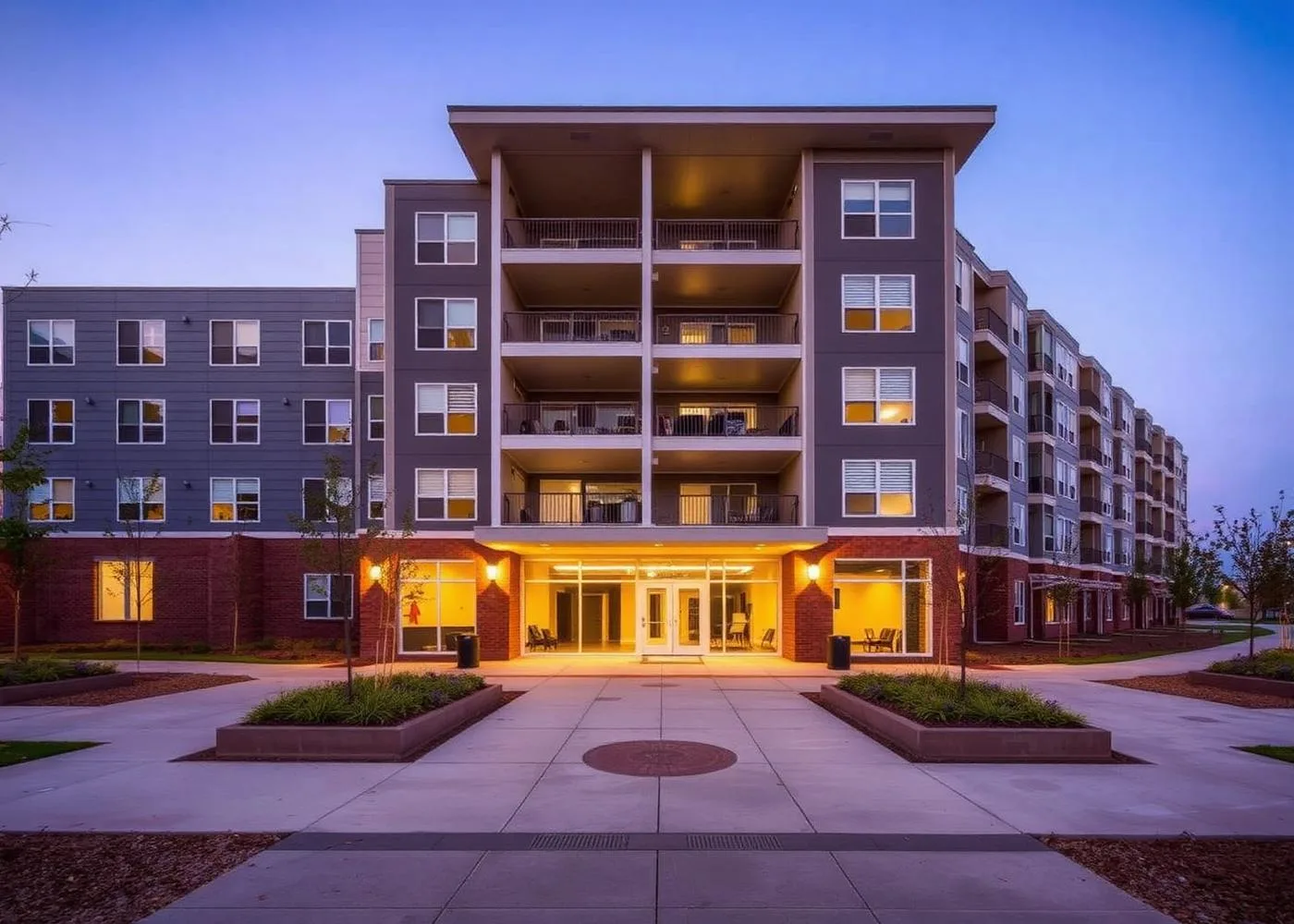
Multifamily + HOA facility and operating environment02

Water Efficiency / Energy Efficiency / Building Performance

Multifamily + HOA

Water, common-area energy, HVAC and portfolio operating expenses.

Typical operating challenges

Water and sewer charges are frequently the largest shared expense in a community, and boards are under pressure to hold assessments flat while protecting property values.

Where efficiency work usually pays

Shared water system management, common-area lighting and HVAC, utility rate verification and portfolio-level prioritization across multiple properties.

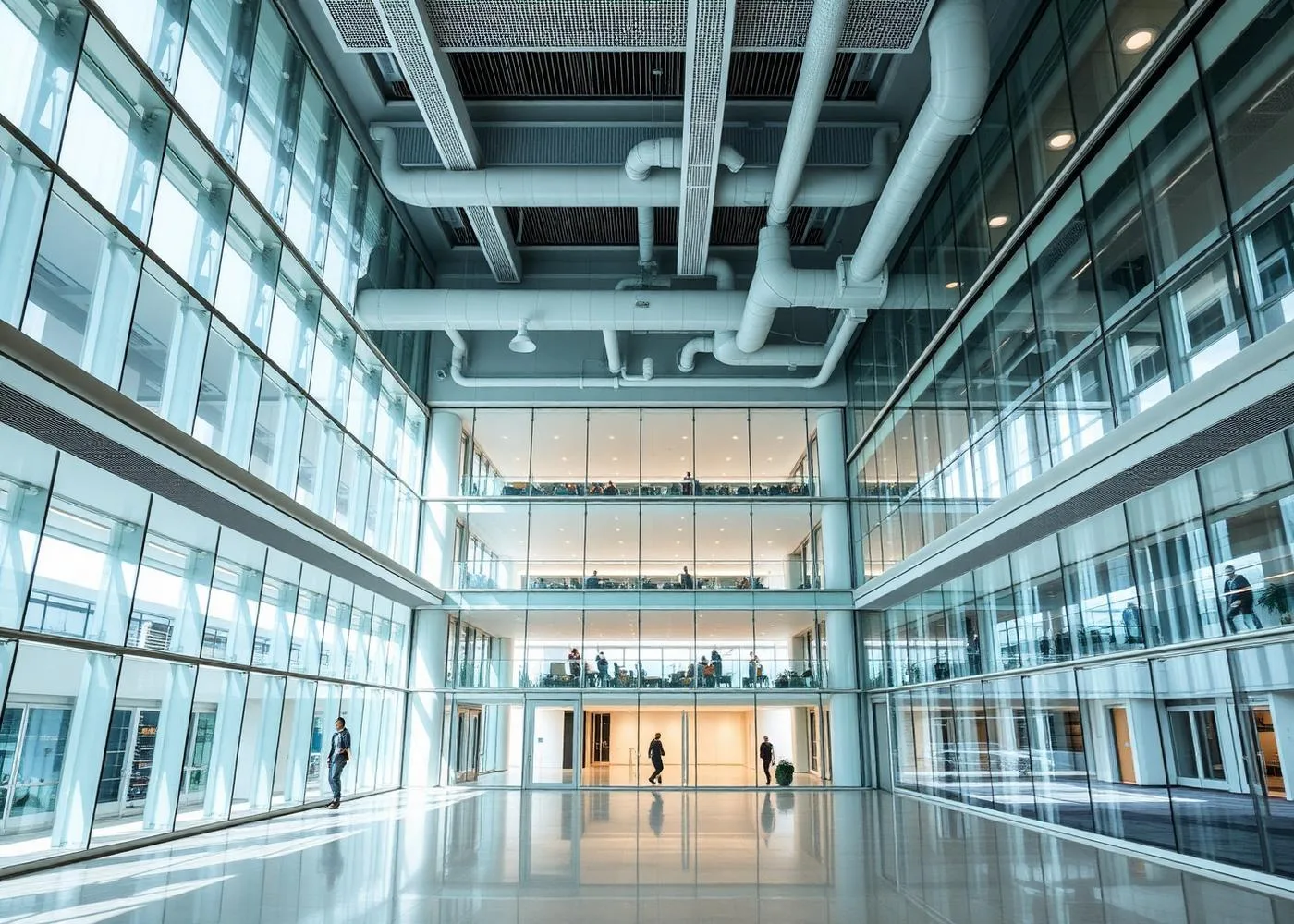
Commercial Real Estate facility and operating environment03

Building Performance / Energy Efficiency / Advanced Technologies

Commercial Real Estate

Building performance, tenant environments and asset operating costs.

Typical operating challenges

Operating expense per square foot affects net operating income and asset value directly, while tenant comfort and lease structure limit which improvements make sense.

Where efficiency work usually pays

Building performance evaluation, HVAC and controls upgrades, lighting, envelope improvements and capital planning that accounts for lease and hold-period economics.

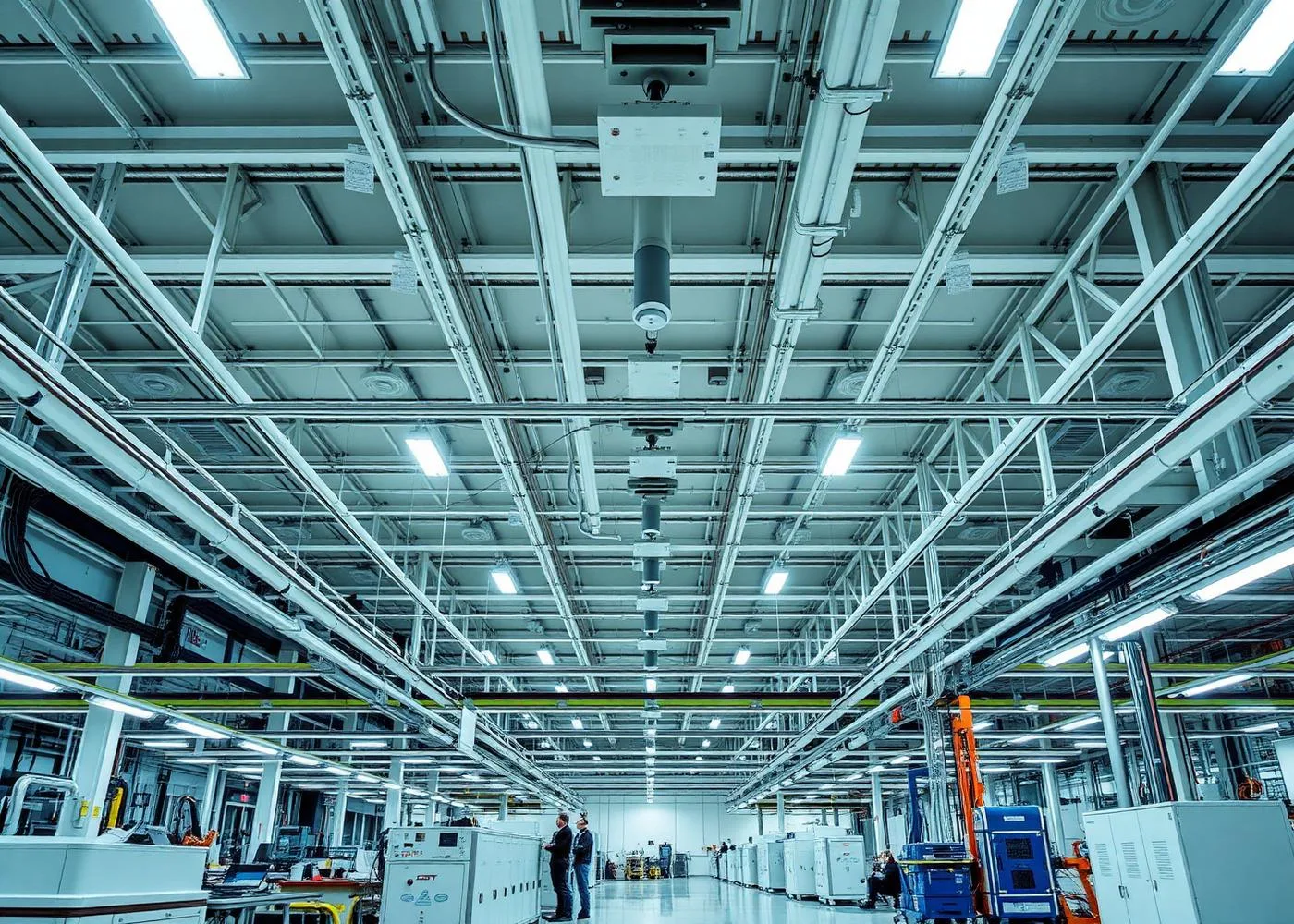
Industrial + Manufacturing facility and operating environment04

Energy Efficiency / Building Performance / Advanced Technologies

Industrial + Manufacturing

Mechanical systems, energy-intensive operations and facility infrastructure.

Typical operating challenges

Process loads dominate the utility bill, mechanical equipment runs hard, and downtime is expensive — which makes any change a risk-managed decision.

Where efficiency work usually pays

Compressed air and mechanical system efficiency, chiller and refrigerant system performance, high-bay lighting, and phased projects scheduled around production.

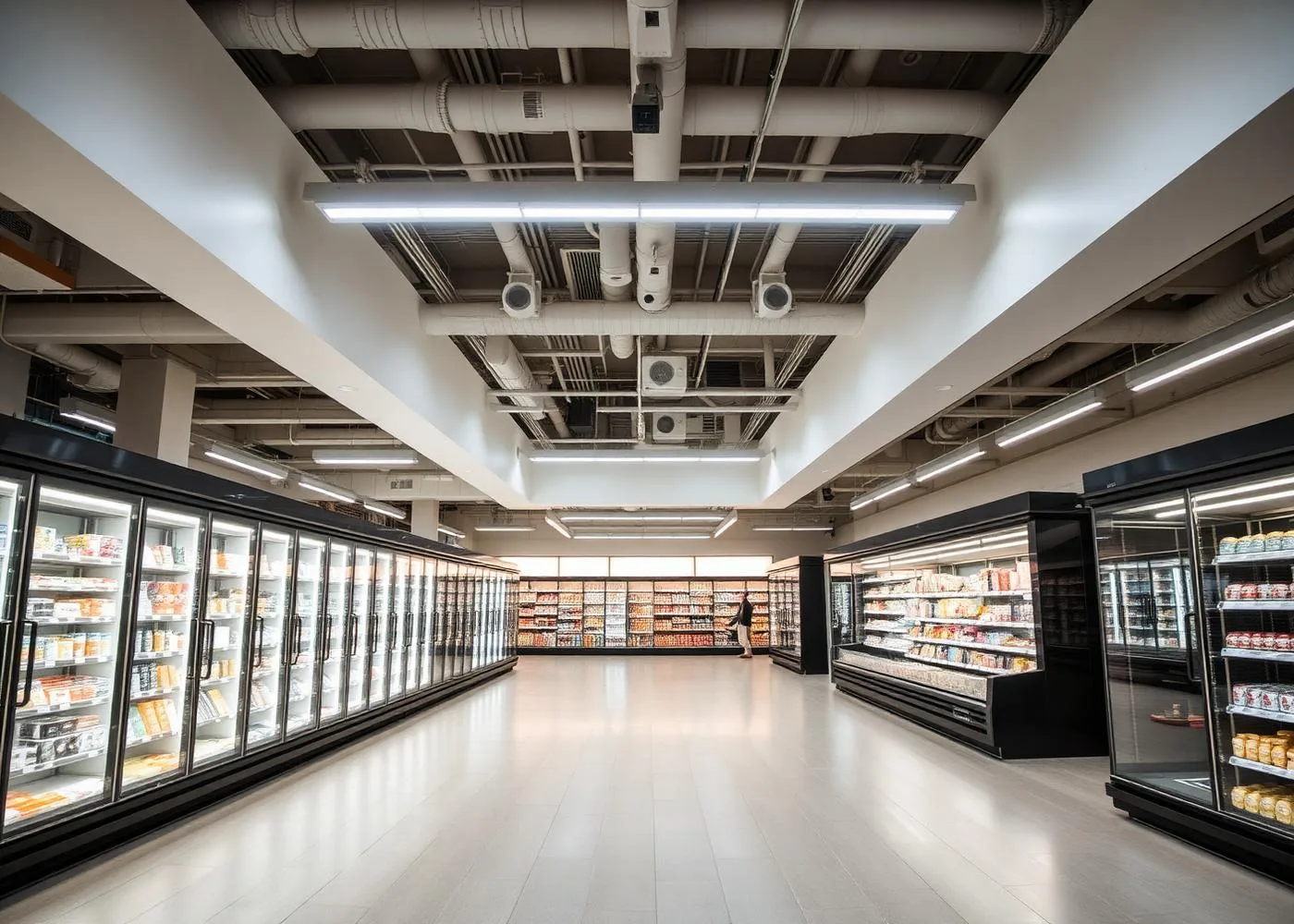
Retail facility and operating environment05

Energy Efficiency / Advanced Technologies / Building Performance

Retail

Lighting, HVAC, refrigeration and multi-location opportunities.

Typical operating challenges

Lighting and refrigeration run long hours, merchandising standards constrain fixture choices, and improvements have to be repeatable across many similar sites.

Where efficiency work usually pays

LED retrofits, refrigeration efficiency, HVAC scheduling and controls, and a standard package that can be rolled out location by location.

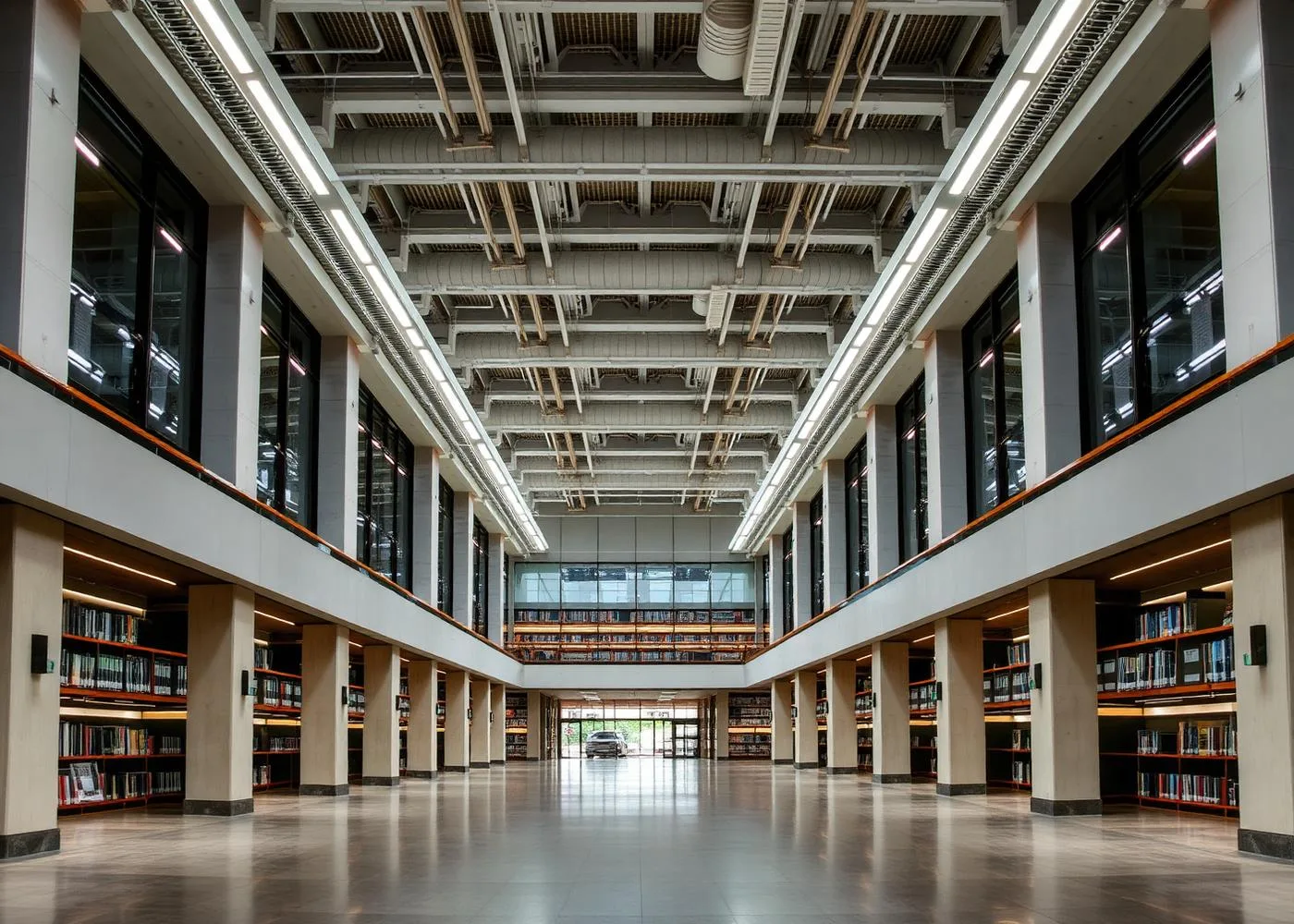
Institutional + Public Facilities facility and operating environment06

Building Performance / Energy Efficiency / Water Efficiency

Institutional + Public Facilities

Long-term operating costs, infrastructure and facility-performance priorities.

Typical operating challenges

Buildings are held for decades, budgets are approved on annual cycles, and deferred maintenance competes with efficiency for the same capital.

Where efficiency work usually pays

Facility assessments, utility analysis, prioritized multi-year roadmaps and documentation that supports budget and procurement processes.

Next Step

Tell us about your facility.

Building type, size and your current cost concern are enough to start a useful conversation.