Commercial building mechanical systems, HVAC ductwork and controls

Solutions

Building Efficiency That Makes Business Sense.

The objective is not to implement every available technology. It is to identify which improvements are appropriate for a particular building — and which offer a reasonable operational and financial return.

Efficiency Should Pay

Efficiency is an investment decision before it is a technology decision.

Commercial facilities contain interconnected systems. Lighting affects cooling load. Controls affect equipment life. Water affects sewer charges. A recommendation that ignores those relationships tends to underdeliver.

RMEG works through four capability areas. Most engagements draw on more than one, in an order determined by cost, savings potential, operational impact and payback.

01Building
02Data
03Decision
04Investment
05Result
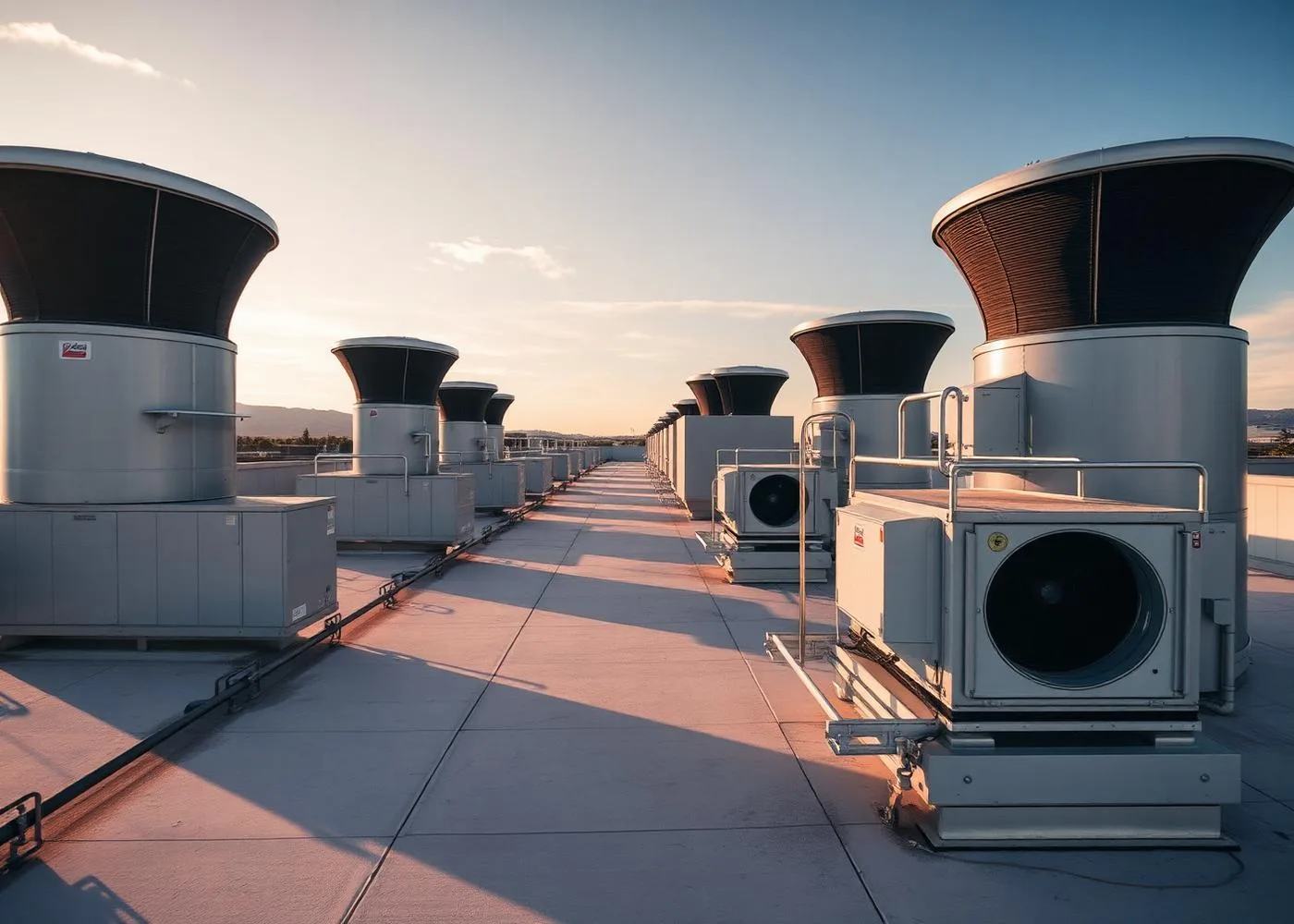
Commercial rooftop HVAC equipment and mechanical systems01

Use less energy without compromising building performance.

Energy Efficiency

Commercial buildings can carry avoidable energy expense across HVAC operation, controls, lighting, refrigeration and the building envelope. RMEG evaluates how those systems are operating, where energy may be unnecessarily consumed and which conditions deserve closer attention.

The work can include utility-use analysis, operating schedules, HVAC optimization, building controls, commercial LED lighting, refrigeration or chiller efficiency, envelope opportunities and selected renewable-energy options. The objective is not simply to replace equipment with something more efficient. It is to compare implementation cost, expected energy savings, maintenance implications, occupant comfort and retrofit payback before deciding which investments are economically justified.

What We Evaluate

  • HVAC efficiency and optimization
  • Building controls and operating schedules
  • Networked and smart thermostats
  • Commercial LED lighting and occupancy controls
  • Refrigeration and chiller efficiency
  • Building envelope and reflective roofing
  • Utility-use analysis
  • Selected renewable-energy opportunities

Why It Matters

Reducing the right loads can lower building operating costs while supporting equipment performance, maintenance planning and occupant comfort — but only when expected savings justify the investment.
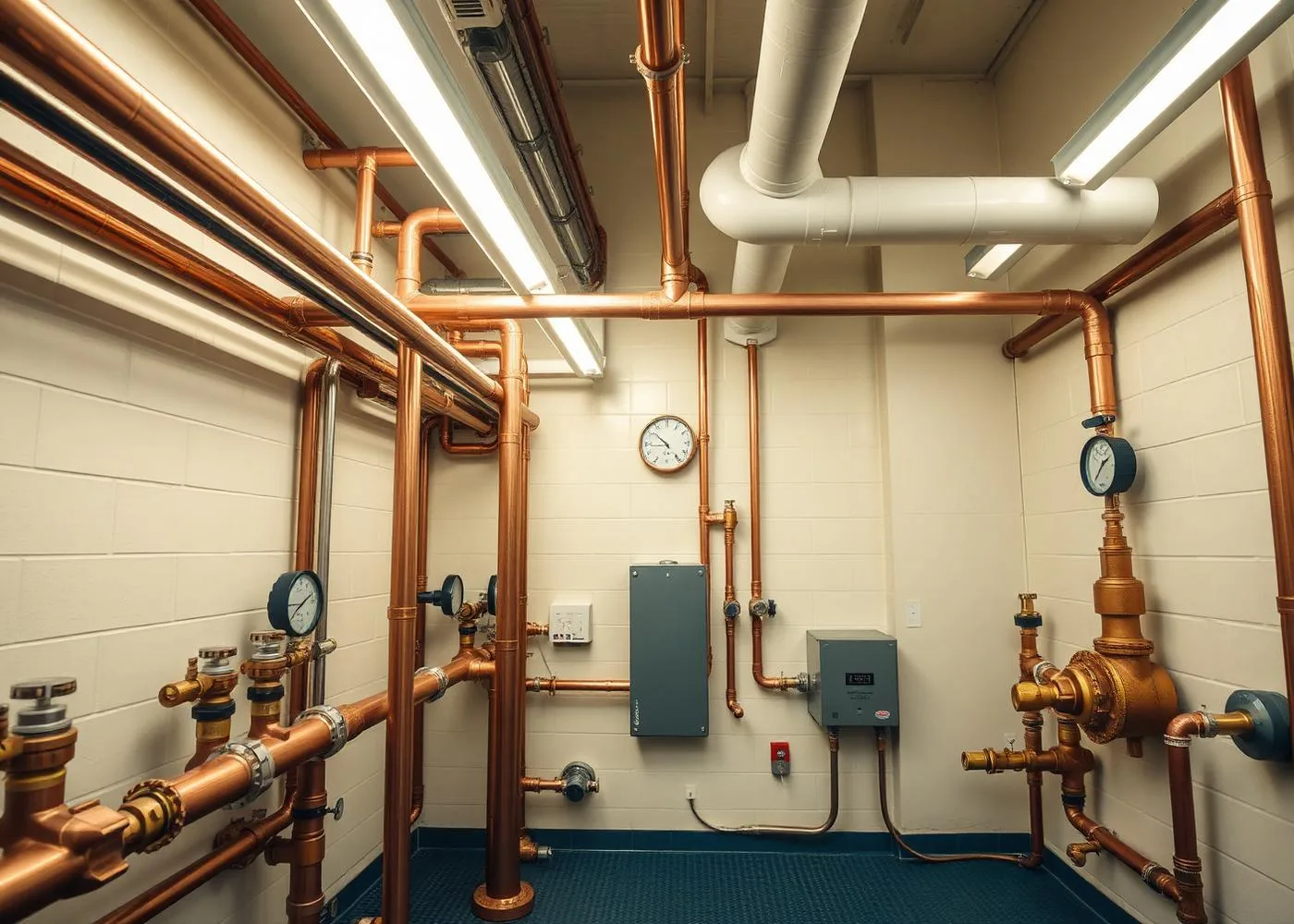
Commercial water gauges and distribution piping02

Reduce consumption, operating expense and unnecessary waste.

Water Efficiency

Water efficiency is not only a conservation issue. For many commercial, hospitality and multifamily properties, water and sewer charges are a significant operating expense that receives limited system-level review. RMEG starts by understanding where the water is going, how the property is billed and whether consumption patterns align with actual building use.

That review may identify abnormal usage, unexplained consumption, rate issues, shared-system conditions, fixture inefficiency or opportunities for flow management, submetering and other water-management technologies. Potential improvements are then considered against savings potential, implementation requirements, disruption, cost and payback — connecting commercial water efficiency to measurable property economics rather than a generic conservation target.

What We Evaluate

  • Consumption patterns and abnormal usage
  • Utility bills and rate structures
  • Leaks and unexplained consumption
  • Flow-management opportunities
  • Fixture and distribution-system efficiency
  • Specialty water-management technologies
  • Submetering opportunities
  • Multifamily and shared-system water use

Why It Matters

A clear consumption and cost baseline helps owners prioritize water and sewer improvements that can be measured, implemented with appropriate disruption and evaluated on payback.

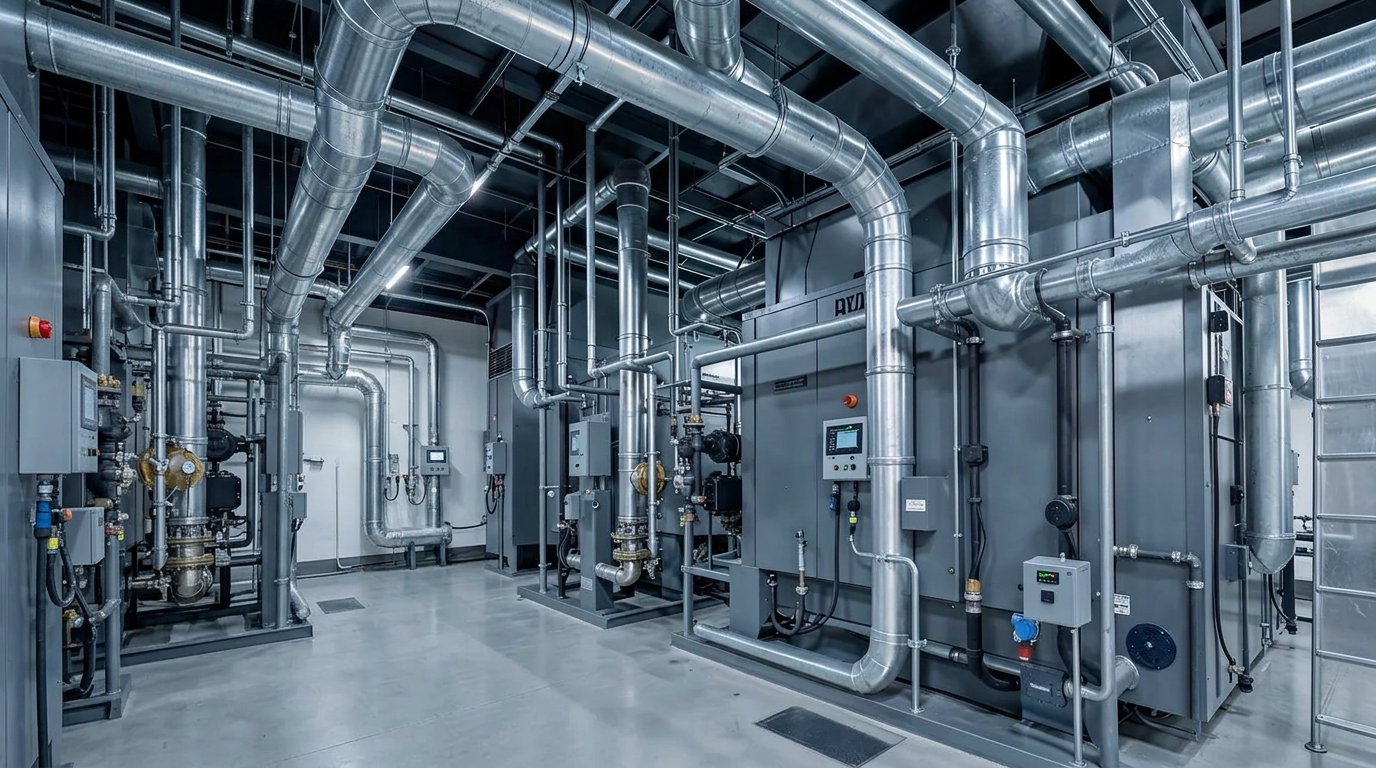
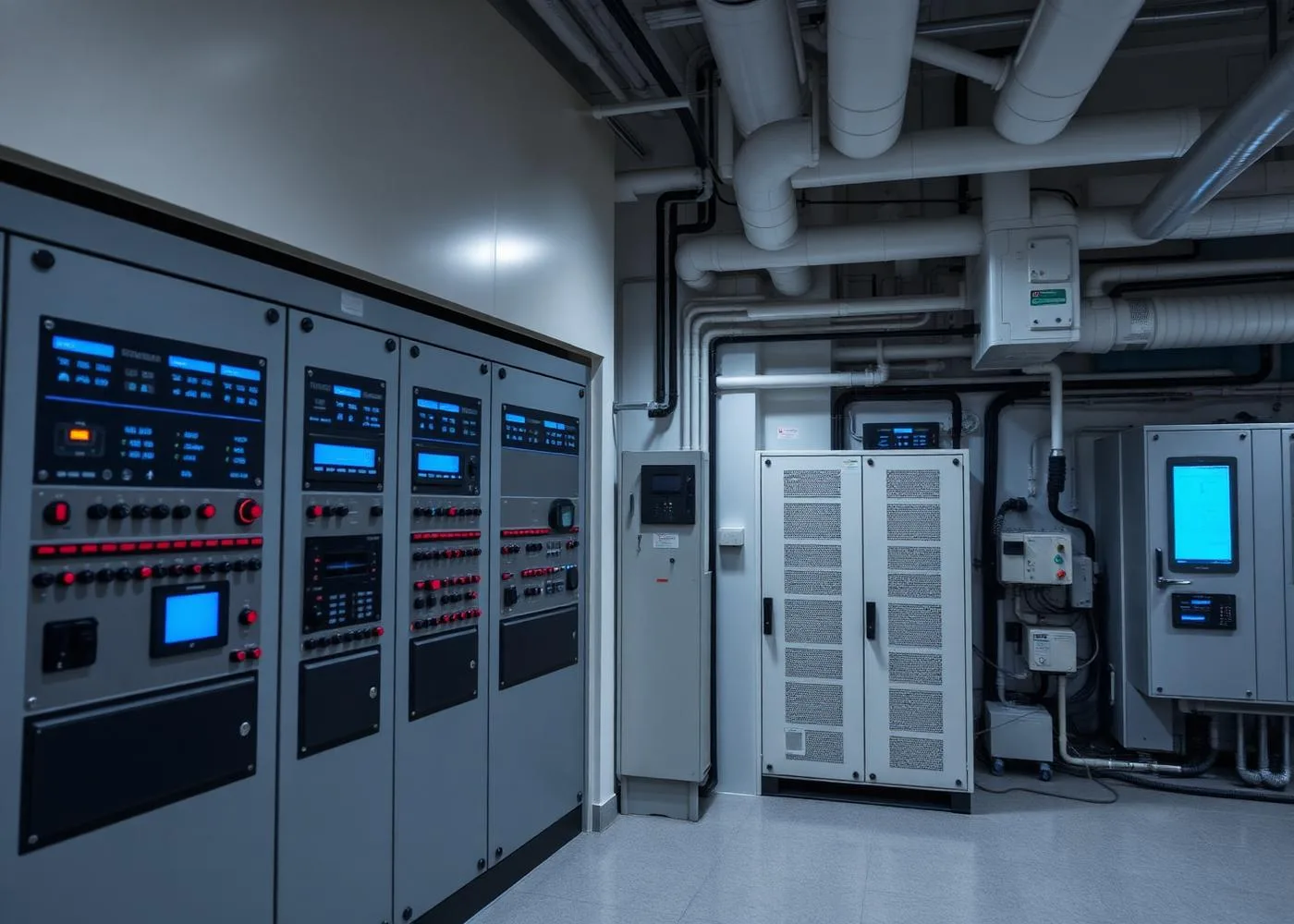
Facility engineer reviewing building systems and performance data03

Understand where your building is underperforming — and what is worth fixing.

Building Performance

Not every building needs the same retrofit, and not every available efficiency technology deserves investment. RMEG helps owners and facility professionals understand how a building is performing before deciding where to spend capital. The principle is straightforward: assess first, invest second.

A facility efficiency assessment may combine utility analysis, energy- and water-use review, system-performance evaluation and observation of actual operating conditions. Scott Milne translates those technical findings into practical choices: which opportunities are credible, how alternatives compare, what implementation may require and how projects should be sequenced. The conversation moves from “What could we install?” to “What does this building actually need?” — and then to which improvement should be prioritized based on economics and expected performance.

What We Evaluate

  • Facility efficiency assessments
  • Energy- and water-use review
  • Utility analysis
  • System-performance evaluation
  • Operating-condition review
  • Technology and retrofit comparison
  • Cost and savings evaluation
  • Efficiency roadmaps and implementation sequencing

Why It Matters

A building-level view directs capital toward the opportunities most likely to improve performance, control operating expense and produce a defensible efficiency return.

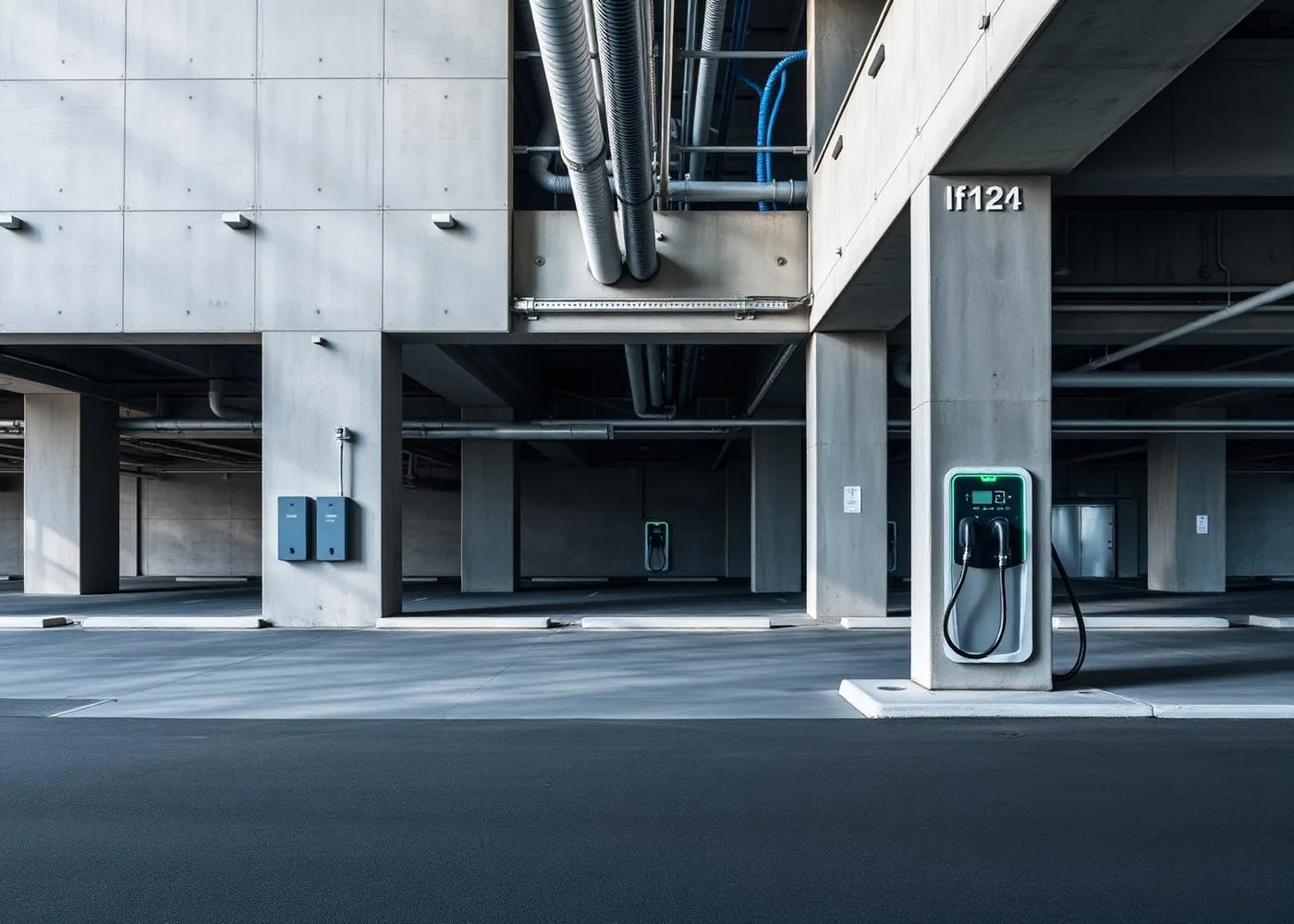
EV charging infrastructure integrated into a commercial building04

Evaluate new technologies on practical application and financial merit.

Advanced Technologies

Emerging, specialized and less conventional facility technologies can solve meaningful problems, but novelty alone does not make them a sound investment. RMEG evaluates whether a technology is appropriate for a particular commercial building, its operating conditions and the client's capital priorities.

Relevant work may include EV charging infrastructure, solar and renewable-energy consultation, specialty coatings, insulative materials, reflective roofing applications, selected indoor-environment technologies and specialized water-management systems. Each option is considered through the same technology-neutral questions: What problem does it solve? What does implementation require? How could it affect operations? What does it cost, what may it save and what return is reasonable to expect? The goal is informed application, not technology for its own sake.

What We Evaluate

  • EV charging infrastructure
  • Solar and renewable-energy consultation
  • Specialty coatings and insulative materials
  • Reflective roofing applications
  • Selected indoor-environment technologies
  • Specialty water-management technologies
  • Other vetted commercial efficiency technologies

Why It Matters

Independent evaluation helps prevent misapplied capital by testing technical fit, operating impact and likely return before a specialized technology moves toward implementation.

Different Buildings. Different Priorities.

Efficiency opportunities vary by property type, operating profile, occupancy, equipment, utility use, facility age and capital priorities. RMEG evaluates those conditions before recommending where to focus.

Next Step

Not Sure Where to Start?

You don't need to arrive with a solution. Start with the building, the operating concern or the utility cost. RMEG can help evaluate the opportunity and determine which improvements deserve further consideration.